Eco-Conscious Parenting
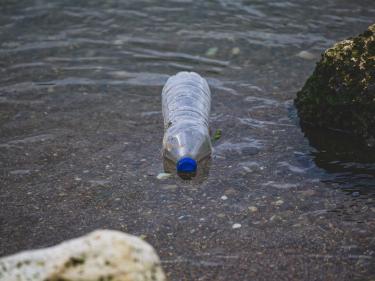
So your kid just asked why you’re throwing away that plastic bottle instead of recycling it. And honestly? That tiny moment of accountability from a four-year-old hits different.
Raising environmentally aware kids isn’t about perfection. It’s about small, consistent choices that add up over time. You don’t need to go full off-grid homesteader to make a real difference in how your family impacts the planet.
Why This Matters More Than You Think
Kids are sponges - you already know this. They pick up your habits, your language, your attitudes toward everything-including the environment. What you model now becomes their normal later.
but: research from Stanford University found that children who learn about environmental stewardship at home are 72% more likely to carry those habits into adulthood. That’s not a small number.
But beyond statistics, there’s something deeply satisfying about watching your child choose the reusable water bottle without being asked. Or hearing them explain to grandma why they don’t want a plastic straw.
You’re not just teaching recycling - you’re shaping values.
Start Where You Are
Forget the Instagram-perfect zero-waste kitchen with matching glass jars. Real eco-conscious parenting looks messier than that.
Maybe you start with one thing. Just one. Cloth napkins instead of paper towels at dinner. A “no new plastic toys” rule for birthday parties. Walking to school twice a week instead of driving.
My neighbor started by letting her kids run the recycling. Sorting plastics, rinsing cans, breaking down cardboard boxes. Her seven-year-old now corrects adults at family gatherings about what goes where. Annoying - perhaps. Effective - absolutely.
The key is making it tangible. Abstract concepts like “saving the planet” don’t land with young kids. But “we’re giving this apple core back to the earth so new things can grow”-that makes sense to a toddler.
Practical Swaps That Actually Work With Kids
Let’s get specific - generic advice helps nobody.
In the kitchen:
- Beeswax wraps instead of plastic wrap (bonus: kids love warming them in their hands)
- Silicone snack bags for school lunches
- A small countertop compost bin they can contribute to
- Buying oats, pasta, and snacks from bulk bins-let them scoop
For playtime:
- Wooden toys over plastic when possible
- Toy rotation instead of constant new purchases
- Library trips for books instead of buying new
- Secondhand everything from consignment stores and Facebook Marketplace
Getting around:
- Bike rides for errands within a mile
- Public transit adventures (kids genuinely think buses are exciting)
- Carpooling with other families for activities
None of this requires major lifestyle overhaul. Pick two or three that fit your family’s rhythm.
Having the Conversations
Kids ask hard questions - “Why do people litter? " “Will the ocean be okay? " “Is Earth dying?
Don’t panic - and definitely don’t catastrophize.
Age-appropriate honesty works best. For little ones: “Some people forgot how to take care of nature, so we’re helping remind them. " For older kids, you can discuss climate change more directly while emphasizing action over anxiety.
The goal isn’t scaring them into environmentalism. Fear-based motivation burns out fast - instead, focus on agency. What can we do - how can we help? Look at this cool thing happening-people are solving problems.
Watch nature documentaries together. Plant something and care for it. Visit a recycling center or water treatment plant. Make the connection between their daily choices and larger systems visible.
Dealing With the Imperfect Parts
Your kid will come home from a birthday party with a plastic goodie bag stuffed with junk. They’ll beg for the toy they saw advertised on YouTube. Grandparents will give gifts wrapped in acres of non-recyclable paper.
This is fine - really.
Eco-conscious parenting isn’t about controlling every variable. It’s about trend lines, not individual data points. One plastic toy won’t undo months of good habits.
Use these moments for gentle teaching. “That was fun! And next time, maybe we can suggest some different ideas for party favors. " No guilt - no shame. Just steering.
And honestly - give yourself grace too. Disposable diapers instead of cloth - totally valid choice. Driving instead of biking because you’re exhausted? Understandable. Ordering takeout in styrofoam containers after a brutal week? You’re still a good parent.
Perfect is the enemy of good enough sustained over time.
Getting Them Involved in Bigger Choices
As kids get older, loop them into family decisions. Shopping for a new appliance? Talk about energy efficiency ratings together. Planning a vacation? Discuss the carbon footprint of flying versus driving versus taking the train.
Let them have input on household eco-goals. Maybe they want to start a garden. Or organize a neighborhood cleanup. Or write to a company about excessive packaging. Their ideas might surprise you.
One family I know lets their kids manage a small “green fund”-money that would’ve gone to disposable products gets saved and spent on an environmental cause the kids choose. Last year they adopted a sea turtle. The year before, native plants for the backyard.
Ownership creates investment. When kids feel like partners rather than passengers, the values stick.
The Social Piece
Here’s an awkward truth: your family’s choices will sometimes make other families uncomfortable. The kid who brings plastic-free lunches. Who says “no thank you” to the balloon at the restaurant. Who asks why their friend’s parents don’t recycle.
Coach your kids on tact. “Everyone’s family does things differently, and that’s okay. We do what works for our family. " Judgment pushes people away. Curiosity and modeling pull them in.
And find your people. Connect with other families who share similar values. It’s easier when kids see that their friends also have compost bins and secondhand clothes and reusable everything.
What You’re Really Teaching
Beyond the environmental stuff, eco-conscious parenting builds other skills:
- **Delayed gratification. ** Waiting for the secondhand version or saving up for the quality item that lasts. - **Critical thinking. ** Questioning advertising and consumption culture. - **Empathy. ** Considering impact on others, including future generations and other species. - **Responsibility. ** Understanding that actions have consequences beyond immediate convenience. - **Creativity. ** Finding new uses for old things. Making do with what you have.
These transfer to every area of life. You’re not just raising someone who recycles. You’re raising a thoughtful human who considers impact before action.
The Long Game
Your kids won’t remember every eco-lecture. But they’ll remember Friday night walks to get ice cream instead of driving. Growing tomatoes together and actually eating them. The satisfaction of a full recycling bin and an empty trash can.
They’ll remember that you cared - that you tried. That you made choices aligned with your values even when it wasn’t convenient.
And someday, probably when you least expect it, they’ll be the ones reminding you to bring the reusable bags.