How Birth Order Shapes Your Child's Personality
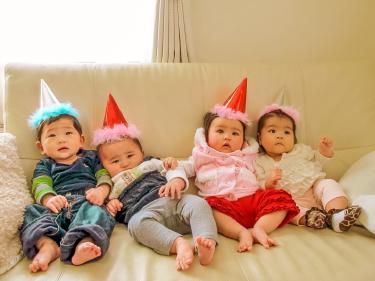
Ever wonder why your firstborn insists on following every rule while your youngest seems to get away with murder? Or why your middle child has mastered the art of negotiation before hitting double digits?
You’re not imagining things. Birth order genuinely shapes personality in ways that might surprise you.
The Science Behind Sibling Position
Researchers have studied birth order effects for over a century, starting with Alfred Adler in the 1920s. And while some psychologists debate how much weight to give these patterns, the trends keep showing up in study after study.
Here’s what we know: your position in the family lineup affects how your parents treat you, how you interact with siblings, and , how you see yourself in the world.
That doesn’t mean birth order determines everything. Plenty of other factors matter too-temperament, family size, age gaps between kids, cultural background, and plain old individual differences. But birth order provides a useful lens for understanding your children.
Firstborn Children: The Achievers
Firstborns often carry a reputation for being responsible, organized, and achievement-oriented. There’s good reason for this.
Think about it. With your first child, you’re operating without a safety net. Every milestone feels monumental. Every sneeze sends you scrambling for the thermometer. You’re reading parenting books, attending classes, and documenting everything in baby albums.
This intense attention has effects. Firstborns typically:
- Develop language skills earlier (all that one-on-one adult conversation helps)
- Score slightly higher on IQ tests (about 2-3 points on average)
- Take on leadership roles more readily
- Set high standards for themselves
But there’s a flip side. That same pressure can make firstborns anxious perfectionists who struggle with failure. They’ve internalized parental expectations deeply-sometimes too deeply.
I’ve seen this play out countless times. The eldest child who melts down over a B+ on a test. The teenager who won’t try new activities unless she knows she’ll excel. One adult firstborn still seeking approval from parents who gave it freely years ago.
If you’re raising a firstborn, ease up occasionally. Let them see you make mistakes. Celebrate effort alongside achievement. They need permission to be imperfect.
Middle Children: The Diplomats
Middle children get a bad rap. “Middle child syndrome” suggests they’re forgotten, overlooked, lost in the shuffle between an accomplished older sibling and an adorable younger one.
The reality is more nuanced.
Middles develop skills that serve them well throughout life. Squeezed between siblings, they learn to:
- Negotiate and compromise
- Read social situations accurately
- Build friendships outside the family
- Think creatively to carve out their niche
They’re often the family peacemakers, the ones smoothing conflicts between parents and siblings. This diplomatic ability translates into strong social intelligence as adults.
But middles can also feel like they don’t quite belong. Neither the responsible eldest nor the babied youngest, they sometimes struggle to define their identity within the family.
One thing that helps? Giving middle children dedicated one-on-one time. It sounds simple because it is. They need moments where they’re not sharing parental attention, where they’re the sole focus. Even 20 minutes of undivided connection makes a difference.
Also, celebrate what makes them unique. Don’t compare them to their siblings. Find their specific interests and talents-especially ones their brothers or sisters don’t share.
Youngest Children: The Free Spirits
By the time the youngest arrives, parents have relaxed. A lot. That pacifier that fell on the floor? First child gets a sterilized replacement. Third child gets a quick wipe on your shirt.
This more laid-back parenting produces kids who are typically:
- More relaxed and easygoing themselves
- Funnier and more charming (they’ve learned to get attention through humor)
- Risk-takers willing to try new things
- Creative and unconventional in their thinking
Youngest children often become entertainers, entrepreneurs, or artists. They’re comfortable challenging the status quo because they’ve always been the underdog competing against older, bigger siblings.
The downside? Sometimes youngest children struggle with responsibility. When older siblings always handled things, the baby of the family never quite learned how. They might expect others to bail them out of problems or feel less capable than they actually are.
Parents can help by giving youngest children age-appropriate responsibilities early. Don’t let older siblings do everything for them. Let them struggle a bit, figure things out, experience natural consequences.
And take their ambitions seriously. Youngest kids sometimes feel dismissed-their ideas treated as cute rather than legitimate. If your seven-year-old announces plans to become a marine biologist, engage with it. Take them to aquariums. Check out library books about ocean life. Show them you believe in their potential.
Only Children: A Category of Their Own
Only children have historically been stereotyped as spoiled, lonely, and socially awkward. Research doesn’t support this.
In reality, only children often share characteristics with firstborns-they’re achievement-oriented, mature for their age, and comfortable with adults. They get all the parental attention and resources, which typically benefits their academic and professional outcomes.
What only children might miss is the social training ground that siblings provide. Learning to share, to fight and make up, to tolerate people you didn’t choose to live with-these experiences require deliberate effort to replicate for only children.
Team sports help. So do summer camps, cousins, close family friends with kids, and any situation where your child interacts regularly with peers in unstructured settings.
When Birth Order Patterns Break Down
These patterns aren’t universal. Several factors can scramble the typical birth order effects:
**Large age gaps. ** When siblings are five or more years apart, younger children often develop firstborn characteristics. They’re essentially raised as only children for their early years.
**Blended families - ** Stepsibling dynamics complicate everything. A child might be the youngest in one household but the middle in a blended family situation.
**Gender patterns. ** In some families, the first boy or first girl takes on firstborn characteristics regardless of actual birth order.
**Tragedy or illness. ** When a sibling has a serious illness or disability, other children’s roles shift dramatically. A middle child might assume caretaking responsibilities typically associated with firstborns.
**Temperament mismatches. ** Sometimes a child’s innate personality overrides birth order effects entirely. An intensely driven youngest child might act more like a stereotypical firstborn.
Practical Takeaways for Parents
Understanding birth order helps, but only if you use that knowledge constructively. but-awareness without action doesn’t change much.
Some practical applications:
For firstborns: Lower the pressure occasionally. Emphasize that mistakes are learning opportunities. Give them permission to quit something they’ve started if it’s not working. Model imperfection yourself.
For middle children: Create special time and traditions just for them. Ask their opinions and value their input on family decisions. Help them identify and pursue their own unique interests.
For youngest children: Hold them accountable for age-appropriate responsibilities. Take their ideas and ambitions seriously. Don’t let older siblings speak for them or solve their problems.
For all kids: Avoid comparing siblings to each other. Celebrate each child’s individual strengths. Make sure each child feels seen for who they are, not just for their position in the family.
Birth order provides a framework, not a destiny. Your children are shaping their own personalities every day through experiences, choices, and relationships. The family position they happened to land in just adds one more influence to the mix.
Pay attention to the patterns. But don’t forget to see the individual kid standing right in front of you.