Building Sibling Bonds That Last a Lifetime
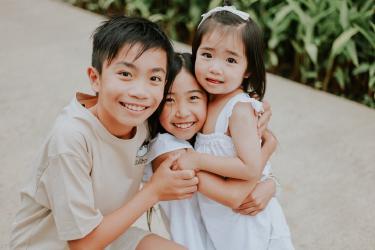
Growing up with siblings is messy. There’s the fighting over who gets the last slice of pizza, the borrowing of clothes without asking,. Those moments where you genuinely wonder if you’ll ever actually like each other.
But but: those same siblings often become your closest allies as adults. The question is, how do you help that bond develop when they’re still arguing over whose turn it is to pick the movie?
Why Sibling Relationships Matter More Than You Think
Siblings spend more time together during childhood than they do with parents. Think about that for a second. Your kids are essentially practicing all their social skills-negotiation, empathy, conflict resolution, sharing-with each other, day in and day out.
Research from Penn State found that positive sibling relationships in childhood predict better mental health outcomes in adulthood. Kids who learn to work through conflicts with their brothers and sisters develop emotional regulation skills that serve them for life.
And it goes both ways. Difficult sibling relationships can create lasting wounds. Adults still processing childhood rivalries aren’t uncommon in therapy offices.
So yeah, this stuff matters.
Stop Trying to Make Them Best Friends
Parents often put pressure on siblings to be close. “You need to be nice to your sister! " “He’s your brother-you should want to play with him!
Here’s a more realistic goal: mutual respect.
Best friendship might happen - it might not. Siblings have different personalities, different interests, different needs. Forcing closeness usually backfires and creates resentment.
What you can insist on:
- No name-calling or intentional cruelty
- Respecting each other’s belongings and space
- Basic courtesy (saying please and thank you)
- No physical aggression
That’s it. The warmth either develops naturally or it doesn’t. Your job is creating conditions where it can grow, not demanding it exists.
Handle Conflict Wisely (Not Constantly)
Kids fight - a lot. Studies suggest siblings between ages 3-7 have conflicts every 17 minutes on average. Every - seventeen. Minutes.
Your instinct might be to referee every dispute. Don’t.
Constant intervention teaches kids that they need an adult to solve their problems. It also means you become the target of endless appeals: “Mom, he looked at me! " “Dad, tell her to stop breathing so loud!
When to step back:
- Minor squabbles over toys or games
- Verbal disagreements without cruelty
- Situations where both kids could compromise
When to step in:
- Physical aggression
- One child consistently dominating or bullying
- Emotional cruelty (targeting insecurities, exclusion)
- Safety concerns
When you do intervene, try coaching instead of judging. “What could you both do differently? " works better than “You’re wrong, apologize to your sister.
Create Shared Experiences (Without Forcing Them)
Shared memories become the glue of sibling relationships. Those inside jokes, the “remember when we… " stories-they create a sense of us-ness that lasts.
Some ideas that actually work:
**Family traditions. ** These don’t need to be elaborate. Friday pizza nights, annual camping trips, or Sunday morning pancakes all count. Consistency matters more than creativity.
**Collaborative projects - ** Building a fort together. Creating a backyard obstacle course. Planning a surprise for a parent’s birthday. Working toward a common goal builds teamwork.
**Travel and new experiences. ** Siblings who experience something new together often bond over it. Could be a family vacation, could be exploring a new hiking trail twenty minutes from home.
**Unstructured time. ** Sometimes the best sibling moments happen when kids are bored and have to entertain each other. Resist the urge to fill every moment with activities.
The Age Gap Factor
Age gaps create unique dynamics. A 7-year-old and a 12-year-old exist in different developmental universes. Their interests rarely overlap, and the older child often views the younger as an annoyance.
This is normal.
With larger gaps, focus on:
- Teaching the older child to be a mentor rather than a second parent
- Finding activities that work across ages (board games, outdoor adventures, cooking)
- Protecting the older child’s need for independence and peer relationships
- Giving the younger child age-appropriate explanations about why their sibling needs space
The good news? Large age gaps often produce closer adult relationships. The younger sibling looks up to the older; the older sibling becomes protective. A competition that plagues close-in-age siblings fades.
Avoid Comparison Like the Plague
“Why can’t you be more like your sister?”
Those seven words can poison a sibling relationship for years. Comparison breeds resentment-not toward the parent making the comparison, but toward the sibling who’s held up as the standard.
Even positive comparisons cause damage. “You’re the smart one” tells the other child they’re not. “She’s our athlete” boxes both kids into roles they may not want.
Each kid needs to feel valued for who they are, not about their siblings. Celebrate individual strengths - acknowledge individual struggles. Keep the sibling out of it.
One-on-One Time Matters
Counter-intuitive, right? To build sibling bonds, spend time with each kid separately?
But it works. Kids who feel secure in their individual relationship with parents have less need to compete for attention. The rivalry decreases. They can appreciate each other rather than viewing siblings as threats.
This doesn’t require elaborate outings. Fifteen minutes of undivided attention counts. Reading together before bed. A quick trip to get ice cream. Walking the dog together.
The key is consistency and genuine presence. Put the phone away - actually listen.
What About Birth Order?
First-borns often shoulder more responsibility and may resent siblings who seem to have it easier. Middle children sometimes feel overlooked. Youngest children might struggle to be taken seriously.
These are generalizations, not rules. But being aware of birth order dynamics helps.
For oldest children: Acknowledge their role without overburdening them. They shouldn’t be the default babysitter or peacekeeper.
For middle children: Make sure they get individual attention and recognition. They’re easy to overlook when sandwiched between milestones.
For youngest children: Take their capabilities seriously. Avoid the trap of letting older siblings do everything for them.
Playing the Long Game
Adult sibling relationships often look nothing like childhood ones. The annoying little brother becomes a thoughtful uncle. The bossy older sister becomes a trusted confidant.
Your job isn’t to create a perfect sibling relationship today. It’s to avoid doing damage that makes connection impossible later.
That means:
- Never making one child responsible for another’s behavior
- Avoiding favoritism (even subtle forms kids always detect)
- Teaching conflict resolution rather than just punishment
- Modeling healthy relationships in your own life
- Keeping communication channels open as kids become teens
When It’s Not Working
Some sibling relationships are genuinely difficult. Temperament clashes - significant developmental differences. One child with behavioral challenges that affect the whole family.
If standard approaches aren’t working-if the conflict is constant, if one child seems genuinely distressed, if the dynamics feel toxic-consider family therapy. A good therapist can identify patterns you’re too close to see and suggest targeted interventions.
There’s no shame in getting help. These relationships last decades - investing in them makes sense.
The Bottom Line
You can’t force siblings to love each other. What you can do is create an environment where connection becomes possible. Set clear boundaries about respect - create shared experiences. Resist comparison - give each child individual attention.
And when they’re fighting over whose turn it is to sit in the front seat? Sometimes you just take a deep breath and remember: this is practice. They’re learning skills they’ll use forever.
The bond might not look strong today. But you’re planting seeds. And those seeds have a funny way of growing into something beautiful when you’re not watching.