Why Children Struggle to Make Friends After Age Five
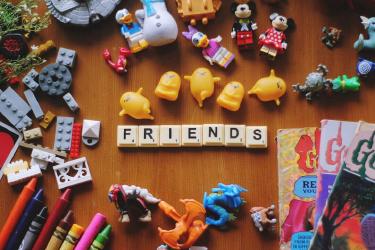
Your kid was the life of the playground at three. Toddlers swarmed around them like they were handing out free goldfish crackers. Fast forward a couple years, and suddenly making friends feels like handling a minefield.
What happened?
Turns out, friendship gets complicated right around kindergarten age. And it’s not your imagination-research backs this up. The social area shifts dramatically after five, and many kids find themselves struggling to keep up.
The Invisible Rule Book Nobody Gave Them
Here’s the deal. Before age five, friendship is beautifully simple. You like trucks - i like trucks. We’re best friends now - pass the juice box.
But somewhere around five or six, kids start developing what psychologists call “theory of mind”-the ability to understand that other people have thoughts, feelings, and perspectives different from their own. Sounds like a good thing, right? It is - eventually.
The problem? This new awareness comes with a whole set of unwritten social rules that nobody explicitly teaches.
- Not everyone wants to play the same games
- What you say affects how others feel
- Groups have invisible hierarchies
- Some jokes land, others bomb spectacularly
Imagine being handed a 500-page rule book written in a language you’re still learning. That’s what social interaction feels like for a lot of kids at this age.
Why Your Outgoing Toddler Became a Wallflower
I talked to a mom recently whose daughter went from organizing neighborhood parades at four to eating lunch alone at six. “It’s like she forgot how to be herself,” she told me.
She didn’t forget - she just became aware.
Self-consciousness kicks in hard around this age. Kids start comparing themselves to peers. They notice who’s popular, who gets picked last, who wears the “cool” sneakers. This awareness can be paralyzing.
Think about it from their perspective. You used to just run up to kids and start playing. Now you’re wondering: Will they want to play with me? What if they say no? What if I say something weird? What if everyone laughs?
That internal dialogue didn’t exist at three. At six - it’s running constantly.
The Structured vs. Unstructured Problem
Another factor nobody talks about enough: the shift from play-based learning to more structured environments.
Preschool and daycare often center around free play. Kids organically find each other, form temporary alliances, and move on without much drama. There’s an adult nearby smoothing things over when conflicts arise.
Elementary school changes the game - recess is shorter. Classrooms are more rigid. And when kids do have free time, they’re expected to navigate it independently.
Some kids thrive in this. Others feel lost without the scaffolding.
A 2019 study from the University of Cambridge found that children who had more unstructured play time before kindergarten showed stronger social skills later. But here’s the catch-many modern kids don’t get that unstructured time. They go from structured daycare to structured school to structured activities.
When do they actually practice the messy, awkward work of making friends?
Signs Your Child Might Be Struggling
Not every quiet kid is suffering socially. Some children genuinely prefer smaller circles or solo activities. That’s perfectly fine.
But watch for these patterns:
- They consistently report having “no one to play with”
- Physical complaints (stomachaches, headaches) spike on school days
- They seem exhausted or irritable after social situations
- They’ve stopped talking about classmates entirely
- They resist birthday parties or playdates they used to enjoy
One red flag that often gets missed: the child who claims everything is fine but seems flat or disconnected when discussing school. Kids don’t always have the vocabulary to express social distress.
What Actually Helps (And What Doesn’t)
Let’s be honest about what doesn’t work first.
Telling your kid to “just be yourself” or “go talk to someone” is basically useless advice. If they knew how to do that, they would be doing it. These platitudes can actually make kids feel worse-like their struggle is a personal failing.
Same goes for forcing interactions. Arranging a playdate with a kid your child barely knows and expecting magic to happen? Recipe for awkwardness at best, social setback at worst.
Here’s what the research actually supports:
**Practice at home first - ** Role-play social scenarios. Literally act out how to join a group already playing, how to handle rejection, how to start a conversation. This feels silly to adults but it’s incredibly helpful for kids who are anxious about getting it wrong.
**Focus on one-on-one before groups - ** Group dynamics are complex. One friend is manageable. Help your child identify one-just one-potential friend and nurture that connection before worrying about broader social circles.
**Find their people. ** Some kids aren’t going to click with the soccer crowd. And that’s okay. Look for activities that match your child’s genuine interests, not what you think they should enjoy. The quiet kid who loves bugs might find their tribe at nature camp, not basketball practice.
**Name the feelings. ** When your child comes home upset about a social situation, resist the urge to fix it immediately. First, help them identify what they’re feeling. “It sounds like you felt left out when they didn’t save you a seat. " Emotional literacy is a building block for social skills.
**Watch, don’t hover. ** At the playground, stay close enough to observe but far enough that your kid has to handle things independently. Note what works and what doesn’t so you can discuss it later.
The Comparison Trap (For Parents)
This part’s for you.
Watching your child struggle socially is genuinely painful. And it’s tempting to compare them to the kid who seems to effortlessly collect friends like Pokémon cards.
Stop doing that.
First, you’re seeing a highlight reel. That “popular” kid might be dealing with their own issues you can’t see. Second, social development isn’t linear. Some kids bloom early; others take longer to find their footing.
A friend of mine was convinced her son was destined to be a loner at seven. He didn’t seem to connect with anyone in his class. She was devastated.
That same kid is now fourteen with a tight group of friends he met through a robotics club in fourth grade. Sometimes kids just need to find their environment.
When to Get Extra Help
Most kids work through social challenges with time and support. But sometimes additional help makes sense.
Consider talking to a professional if:
- Social difficulties are significantly impacting your child’s daily life
- They’re experiencing bullying that isn’t being addressed
- Anxiety around social situations is severe or getting worse
- You notice signs of depression (changes in sleep, appetite, or interests)
- They have no reciprocal friendships by mid-elementary school
School counselors, child psychologists, and social skills groups can provide targeted support. There’s no shame in getting help-honestly, it’s one of the smartest things you can do.
The Long View
Here’s something I wish someone had told me earlier: the kids who struggle socially in elementary school often develop incredible strengths because of it.
They become more empathetic because they know what exclusion feels like. They develop deeper friendships when they do connect because they don’t take relationships for granted. People learn to be comfortable with themselves rather than constantly seeking approval.
That’s not toxic positivity-it’s just true.
Making friends after five is harder than it was before. The rules changed, the stakes feel higher, and kids are suddenly aware of a thousand things they used to ignore.
Your job isn’t to make it easy. It’s to help them build the skills to handle it. And to remind them-repeatedly-that struggling doesn’t mean failing. It just means growing.