The Complete Guide to Age-Appropriate Chores for Kids
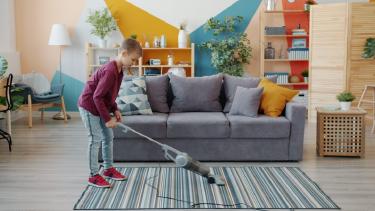
Getting kids to help around the house feels like an uphill battle sometimes, doesn’t it? You ask them to clean their room and suddenly they’ve forgotten how legs work. They’re sprawled on the floor, dramatically sighing about the unfairness of it all.
But but. Chores are more than about getting help with housework. They’re actually one of the best tools you have for raising capable, confident humans. Research from the University of Minnesota found. The best predictor of young adults’ success wasn’t their IQ or family income-it was whether they’d done household chores starting at age three or four.
Three or four! That’s right around the time they’re still calling spaghetti “pasketti.
So how do you figure out what tasks are appropriate for each age? And more importantly, how do you get kids to actually do them without World War III breaking out in your kitchen?
Why Chores Matter More Than You Think
Before we get into the specifics, let’s talk about why this matters. Chores teach responsibility, sure - that’s obvious. But they also build something psychologists call “self-efficacy”-the belief that you can handle challenges and accomplish goals.
Every time your kid successfully folds a towel or feeds the dog, their brain gets a little hit of accomplishment. They’re learning: I can do hard things. I can contribute - i matter to this family.
That last one is huge. Kids who feel needed-genuinely needed, not just tolerated-develop stronger self-esteem and better mental health outcomes. They’re also more likely to help others outside the home.
And let’s be real. Your 25-year-old shouldn’t be calling you to ask how to do laundry. That happens more than you’d think.
Toddlers (Ages 2-3): Building the Foundation
Toddlers want to help - desperately. They’ll follow you around with a toy broom, trying to sweep nonexistent dirt. Lean into this.
At this age, chores are really about building habits and making kids feel included. Don’t expect perfection-or even competence, honestly. The point is participation.
Good tasks for toddlers:
- Putting toys in a basket (one basket, clearly labeled with pictures)
- Throwing diapers in the trash
- Putting dirty clothes in the hamper
- Helping “dust” with a sock on their hand
- Wiping up small spills with a paper towel
- Putting books on a low shelf
The key? Make it feel like a game. Race them to pick up blocks. Sing a cleanup song - celebrate wins enthusiastically.
Will they do it perfectly - no. Will they sometimes put the cat in the toy basket? Possibly - that’s fine.
Preschoolers (Ages 4-5): Gaining Independence
This is when things get interesting. Preschoolers can actually accomplish tasks with minimal supervision. Their motor skills have improved, and they understand multi-step instructions.
They’re also fiercely independent - use that.
Appropriate tasks include:
- Making their bed (teach them to pull covers up-it won’t look Pinterest-worthy)
- Setting the table with non-breakable items
- Sorting laundry by color
- Feeding pets (with pre-measured food)
- Watering plants with a small watering can
- Matching socks
- Clearing their plate after meals
- Helping put groceries away (low shelves only)
Pro tip: Use visual chore charts with pictures at this age. Kids can’t read yet, but they can match a picture of a bed to the task of making their bed.
Early Elementary (Ages 6-8): Real Responsibility Begins
Now we’re talking. Six to eight-year-olds can handle genuine household contributions. They have the attention span to complete multi-step tasks and enough fine motor control to do them reasonably well.
This is also when kids start pushing back more. They’ll complain - they’ll negotiate. Stand firm.
Tasks for this age:
- Vacuuming or sweeping floors
- Loading the dishwasher (with guidance on knife placement)
- Folding simple laundry items like towels and t-shirts
- Taking out trash cans
- Caring for pets independently
- Packing their own school lunch
- Keeping their room tidy without reminders
- Raking leaves or basic yard work
- Helping wash the car
One thing that works well: give kids ownership of specific tasks. Instead of “help with dishes sometimes,” try “you’re in charge of loading the dishwasher after dinner every night. " Ownership creates accountability.
Tweens (Ages 9-12): Preparing for Teen Years
Tweens are capable of doing almost any household task with proper training. The challenge isn’t ability-it’s motivation. They’re busy with school, friends, activities. Chores feel like an interruption.
But this is exactly when habits need to solidify. In a few years, they’ll be teenagers with even more demands on their time. Build the foundation now.
Appropriate responsibilities:
- Doing their own laundry start to finish
- Cooking simple meals (scrambled eggs, pasta, sandwiches)
- Cleaning bathrooms
- Mopping floors
- Mowing the lawn (with supervision on equipment safety)
- Babysitting younger siblings for short periods
- Meal planning and creating grocery lists
- Managing their own homework and schedule
- Washing dishes by hand
- Deep cleaning their room
A word about allowance: opinions vary on whether to tie chores to money. Some families pay for completed tasks. Others believe chores are simply part of family membership-no payment required. Both approaches can work. What matters is consistency with whatever you choose.
Teenagers (Ages 13+): Adult Skills Training
Here’s a mindset shift that helps: your teenager is in job training. You’re preparing them to be competent adults who can live independently.
In five or six years, they might be living alone. Can they cook a week of dinners? Handle their own laundry - manage a basic budget?
Teenagers should be capable of:
- All laundry tasks including ironing
- Cooking full meals for the family
- Grocery shopping independently
- Minor home repairs (changing lightbulbs, unclogging drains)
- Yard maintenance
- Car care (washing, checking fluids with guidance)
- Deep cleaning any room
- Basic money management
- Scheduling their own appointments
The goal by 18? They shouldn’t need you for daily living tasks. That’s not cold-it’s love. You’re giving them the gift of competence.
Making Chores Actually Happen
Knowing what to assign is one thing. Getting compliance is another.
A few strategies that work:
**Be specific. ** “Clean your room” means nothing. “Put all clothes in the hamper, make your bed, and clear your desk” is actionable.
**Teach the task first. ** Do it together several times before expecting independence. Kids genuinely might not know how to wipe a counter effectively.
**Set consistent times - ** Chores happen after breakfast. Or before screen time - or right after school. Routine reduces resistance.
**Natural consequences work better than punishment. ** Didn’t pack your lunch? Guess you’re eating school food today. Didn’t put clothes in the hamper? They don’t get washed.
**Lower your standards - seriously. ** A six-year-old’s version of “clean” won’t match yours. Accept good enough or you’ll drive yourself crazy.
**Express genuine appreciation - ** Not empty praise-real acknowledgment. “Thanks for taking out the trash. One less thing I had to worry about tonight. " Kids need to feel their contributions matter.
When Kids Resist (And They Will)
Every kid pushes back on chores eventually. That’s normal and healthy-they’re testing boundaries and asserting independence.
What works: staying calm, restating expectations, and following through with consequences. What doesn’t work: nagging, yelling, or doing the chore yourself because it’s easier.
If you rescue them every time, they learn that resistance works.
Sometimes resistance signals a real problem though. A sudden refusal might indicate stress at school, friendship problems, or feeling overwhelmed. Check in - ask questions. Listen.
But if everything else is fine and they’re just being a kid who doesn’t want to fold laundry? Stay the course - they’ll survive.
The Long Game
Your kid probably won’t thank you for making them do chores. Not now, anyway. But someday-maybe when they’re efficiently running their own household or impressing a roommate with their cleaning skills-they’ll get it.
You’re not just getting help with housework. You’re raising a capable human who knows they can handle whatever life throws at them.
That’s worth a few dramatic sighs along the way.