Healing Childhood Trauma Through Brain Rewiring Methods
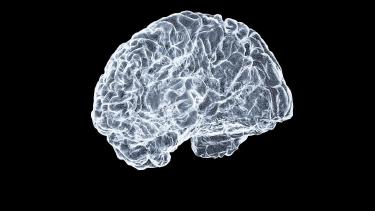
Ever watched a kid bounce back from a scraped knee like it was nothing? That’s resilience in action. But some wounds go deeper than skin. They burrow into the brain itself, changing how a child sees the world for years-sometimes decades.
Here’s the good news that researchers keep confirming: your brain isn’t stuck. It changes - it adapts. And yes, it can heal from childhood trauma through something called neuroplasticity.
Your Brain Is More Flexible Than You Think
Neuroplasticity sounds like a term from a sci-fi movie, but it’s actually pretty simple. Your brain forms new connections and pathways throughout your entire life. Not just when you’re a kid. Not just in your twenties - always.
When trauma happens during childhood, it creates certain neural pathways. Think of these like well-worn hiking trails through a forest. The brain keeps using them because they’re familiar. A loud noise triggers panic. A certain smell brings back fear. The amygdala-your brain’s alarm system-stays on high alert.
But here’s what makes recovery possible: you can create new trails. With the right approaches, the brain literally rewires itself. Old fear pathways weaken when they’re not used. New, healthier connections strengthen.
Dr. Bruce Perry’s research at the NeuroSequential Model has shown that trauma affects brain development in predictable patterns. More importantly, his work demonstrates that targeted interventions can reverse much of that damage. The brain wants to heal. Sometimes it just needs the right conditions.
Methods That Actually Work for Brain Rewiring
Not all therapeutic approaches are created equal when it comes to trauma. Some work directly with how the brain processes and stores traumatic memories. Others focus on calming the nervous system so healing can happen.
EMDR: Moving Your Eyes to Move Past Trauma
Eye Movement Desensitization and Reprocessing sounds complicated. The practice is surprisingly straightforward. A therapist guides you to recall traumatic memories while following a moving object with your eyes. Back and forth.
Why does this work? Researchers believe the bilateral stimulation helps your brain reprocess stuck memories. It’s similar to what happens during REM sleep, when your brain naturally processes the day’s experiences. Traumatic memories often don’t get properly processed-they stay raw and vivid. EMDR helps file them away properly.
The evidence is solid. Multiple studies show EMDR reduces PTSD symptoms in about 77% of patients within just a few sessions. For childhood trauma, results are particularly promising because younger brains adapt faster.
Somatic Experiencing: Your Body Remembers Too
Trauma doesn’t just live in your thoughts. It lives in your body - that tightness in your chest. The way your shoulders creep up toward your ears. The pit in your stomach that appears out of nowhere.
Peter Levine developed Somatic Experiencing based on a fascinating observation: wild animals rarely develop PTSD despite facing life-threatening situations constantly. Why? They literally shake off the trauma. Their bodies complete the stress response cycle.
Humans often don’t - we suppress. We soldier on - we push through. And the incomplete stress response stays trapped in our nervous system.
Somatic therapy helps release that stored tension through gentle awareness and movement. No need to relive traumatic events in detail. You work with the body’s sensations instead. Shaking, trembling, taking deep breaths-these physical releases help reset the nervous system.
Neurofeedback: Training Your Brainwaves
This one feels almost futuristic. Sensors attach to your scalp and measure your brainwave activity. You watch a screen that responds to your brain’s electrical patterns. When your brain produces healthier patterns, you get positive feedback-maybe a movie plays smoothly or a game character moves forward.
Over time, your brain learns to produce these healthier patterns on its own. It’s like going to the gym, but for your neural activity.
For childhood trauma survivors, neurofeedback can help calm an overactive fear response. Some clinics report clients feeling calmer after just 10-20 sessions. The effects often last because you’re teaching the brain new default settings.
What Parents and Caregivers Can Do Right Now
Professional therapy matters. But so does what happens at home every single day. The brain rewires through repeated experiences, which means caregivers play a massive role in healing.
**Create predictability - ** Traumatized brains crave safety. Regular routines-same bedtime, same morning rituals, predictable meal times-signal that the world is stable. This might seem boring to adults. To a healing brain, it’s medicine.
**Be patient with big emotions. ** When a child has an outsized reaction to something minor, their brain isn’t being dramatic. It’s responding to perceived threats based on past experience. Stay calm - validate their feelings. Help them regulate rather than punishing them for dysregulation.
**Physical safety translates to emotional safety. ** Consistent, healthy physical affection (when welcomed) helps build secure attachment. Hugs, gentle touches, sitting close while reading-these experiences tell the nervous system that connection is safe.
**Watch for regression - ** Healing isn’t linear. A child might have great weeks followed by difficult ones. Stress can temporarily reactivate old patterns. That’s normal. It doesn’t mean the progress is lost.
The Timeline Nobody Wants to Hear
Brain rewiring takes time - not weeks. Usually months or years. The depth of trauma, the age when it occurred, available support systems-all of these affect the timeline.
Some people notice shifts within a few months of starting targeted therapy. Others work at it for years before feeling substantially different. Both experiences are valid.
What matters more than speed is consistency. Small, repeated positive experiences add up. Every time a child experiences safety and connection, their brain adds another data point to the “the world can be okay” category. Eventually, that category outweighs the “everything is dangerous” one.
Signs That Healing Is Happening
How do you know if brain rewiring is working? Look for subtle shifts:
- Fewer nightmares or night wakings
- Longer stretches of calm between emotional storms
- Ability to try new things with less anxiety
- Better relationships with peers
- More curiosity and playfulness
- Physical symptoms (headaches, stomachaches) decreasing
- Quicker recovery after getting triggered
Progress rarely looks like a straight line upward. More like a squiggly line that trends in the right direction over time.
The Bottom Line on Trauma and the Brain
Childhood trauma changes the brain - that’s the hard truth. But neuroplasticity means those changes aren’t permanent sentences. The same flexibility that allowed trauma to shape neural pathways allows healing to reshape them.
Methods like EMDR, somatic therapy, and neurofeedback work because they speak the brain’s language. They don’t just address thoughts-they target the nervous system patterns that keep people stuck in survival mode.
If you’re supporting a child through trauma recovery, or healing from your own childhood experiences, know this: brains heal. Not easily - not quickly. But genuinely. The research is clear, and so are the countless stories of people who’ve moved from surviving to actually living.
Your brain is already wired to change. Now it’s about pointing that change in a healing direction.