Why Nature Prescriptions Are Trending in Pediatric Care
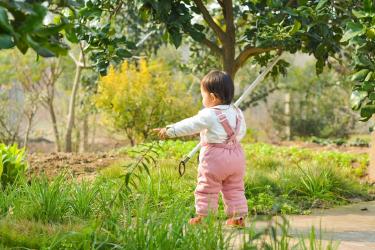
Your kid’s doctor might soon hand you a prescription that looks nothing like the usual stuff. No pills - no syrups. Just instructions to go outside and play.
Nature prescriptions are popping up in pediatric offices across the country, and honestly? It’s about time.
What Exactly Is a Nature Prescription?
A nature prescription is pretty much what it sounds like. A healthcare provider writes you a “script” recommending specific outdoor activities. Maybe it’s 20 minutes at a local park three times a week. Could be a family hike every weekend. Sometimes it includes passes to state parks or nature centers.
The movement started gaining real traction around 2017 when Park Rx America launched a database connecting doctors with local green spaces. Since then, programs have exploded across nearly every state. The UK has been doing this even longer through their “green social prescribing” initiatives.
But here’s what makes this different from your grandmother telling you to “go play outside. " These prescriptions come with follow-up. Doctors track outcomes - families report back. There’s actual accountability built into the process.
Why Pediatricians Are Getting Serious About This
The numbers paint a pretty stark picture. American kids spend an average of 4 to 7 minutes in unstructured outdoor play daily. Compare that to 7+ hours of screen time. Something’s wildly out of balance.
Richard Louv coined the term “nature deficit disorder” back in 2005, and pediatricians have watched the downstream effects pile up ever since. We’re talking:
- Rising rates of childhood anxiety and depression
- Attention difficulties that don’t always fit neatly into ADHD diagnoses
- Obesity rates that have tripled since the 1970s
- Vitamin D deficiencies in kids who barely see sunlight
- Sleep problems tied to insufficient natural light exposure
Dr. Robert Zarr, a DC-based pediatrician who’s been prescribing nature for over a decade, puts it bluntly: “We’re seeing kids who’ve never climbed a tree. Never caught a firefly - never just… wandered.
And the research backing outdoor interventions keeps stacking up. A 2019 Danish study following over 900,000 people found that kids who grew up with less green space had 55% higher risk of developing mental health disorders. That’s not a small number.
The Science Behind Getting Dirty
So what’s actually happening when kids spend time outside? Turns out, quite a lot.
**Stress hormones drop. ** Cortisol levels decrease measurably after just 20 minutes in natural settings. This isn’t woo-woo stuff-it’s been replicated in controlled studies across multiple countries.
**Attention spans improve. ** Kids with ADHD show significant symptom reduction after outdoor activities compared to indoor or urban outdoor settings. The “soft fascination” of nature-leaves moving, birds chirping, clouds drifting-lets the brain’s directed attention system rest and recover.
**Immune systems get a workout. ** The “hygiene hypothesis” suggests our overly sanitized environments leave immune systems without enough to do. Playing in dirt exposes kids to beneficial microorganisms that help calibrate immune responses. Some researchers call this “rewilding” the microbiome.
**Physical activity happens almost automatically. ** You don’t have to convince a kid at a creek to move around. They just do. The environment invites exploration in ways a living room never will.
**Creativity flourishes. ** Unstructured outdoor play requires imagination. That stick becomes a sword, a fishing pole, a magic wand. These cognitive leaps matter for development.
What These Prescriptions Actually Look Like
Every program runs a bit differently, but most share common elements.
During a well-child visit, the pediatrician assesses both physical health and lifestyle factors. Screen time comes up - physical activity gets discussed. If outdoor exposure seems lacking-and let’s be honest, it usually is-the doctor writes a nature prescription.
The script might specify:
- Duration (start with 20 minutes, work up to an hour)
- Frequency (three to five times weekly)
- Location suggestions (local parks, trails, nature centers)
- Specific activities appropriate for the child’s age and abilities
Some programs partner with parks departments to provide free passes. Others connect families with guided nature walks or outdoor education programs. A few have even set up “lending libraries” where families can borrow binoculars, field guides, and bug-catching kits.
The follow-up piece matters most. At subsequent visits, doctors check in. Did you make it outside - what did you notice? Any changes in sleep, mood, or behavior?
This accountability transforms casual advice into something families actually do.
Real Barriers That Real Families Face
Look, telling a single mom working two jobs to “just open the park” ignores reality. Nature prescriptions only work if we’re honest about obstacles.
Safety concerns top the list for many urban families. Not every neighborhood has accessible, well-maintained green space. Parks can feel unsafe after dark or in certain areas.
Time scarcity hits hard. Between work, school, activities, and basic survival tasks, carving out outdoor time feels impossible for stretched-thin parents.
Weather matters more than we’d like to admit. A Minnesota winter or Arizona summer presents genuine challenges to outdoor play.
Accessibility issues affect families with disabled children. Not all trails accommodate wheelchairs. Not all nature programs include kids with sensory sensitivities.
Cultural factors play a role too. Some families don’t have traditions around outdoor recreation. The outdoors can feel like “someone else’s space.
The best nature prescription programs address these barriers head-on. They provide transportation to parks. They offer indoor nature alternatives during extreme weather. People work with community organizations to improve park safety. The team create sensory-friendly nature experiences.
How to Make This Work for Your Family
You don’t need a formal prescription to start. Here’s what actually helps:
**Start ridiculously small. ** Five minutes in the backyard counts. A walk around the block counts. Don’t let perfectionism kill momentum.
**Make it routine, not special. ** Nature time shouldn’t compete with busy schedules-it should be woven into existing patterns. Walk to school if possible - eat dinner on the porch. Do homework near a window with a view of trees.
**Let kids lead. ** Resist the urge to turn outdoor time into structured lessons. The magic happens when children follow their own curiosity. They want to throw rocks in puddles? Great - that’s science.
**Get uncomfortable yourself. ** Kids notice when parents are glued to phones at the park. They pick up on reluctance - your genuine engagement matters.
**Build a nature toolkit. ** Keep a basket by the door with sunscreen, bug spray, a magnifying glass, and a collection container. Removing friction helps habits stick.
**Connect with other families. ** Group outings create accountability and social benefits. Kids are more likely to want outdoor time when friends are involved.
What Skeptics Get Wrong
Some people dismiss nature prescriptions as feel-good fluff. “Just another wellness trend,” they’ll say. “Doctors should focus on real medicine.
But but. When lifestyle factors drive health problems, lifestyle interventions are real medicine. We prescribe dietary changes for diabetes. We prescribe physical therapy for injuries. Prescribing outdoor time for anxiety, attention issues, and sedentary behavior follows the same logic.
The skepticism also misses how medical authority changes behavior. Parents who’ve ignored general advice for years suddenly pay attention when it’s written on a prescription pad. The formal framing matters psychologically.
And pediatricians aren’t abandoning traditional care. Nature prescriptions complement medication and therapy-they don’t replace them. A kid with severe ADHD still needs comprehensive treatment. But adding regular outdoor time might mean lower medication doses or faster progress in therapy.
Where This Is Headed
Insurance companies are starting to notice. A few pilot programs now cover park passes and outdoor equipment as preventive care. If outcomes data keeps looking good-and early results are promising-expect wider coverage.
Schools are getting involved too. “Forest kindergartens” and outdoor classrooms have grown from fringe experiments to mainstream options in many districts. Some schools now incorporate daily outdoor time regardless of weather, Scandinavian-style.
Technology, ironically, might help. Apps that gamify outdoor exploration, like geocaching or nature bingo, can motivate reluctant kids. Wearables that track outdoor time alongside steps could make nature exposure as measurable as other health metrics.
The pandemic accelerated all of this. When indoor spaces became risky, families rediscovered parks and trails. Many kept the habit. Pediatricians noticed and ran with it.
Nature prescriptions represent something bigger than a single intervention. They’re part of a cultural shift toward recognizing that human health can’t be separated from our environment. We evolved outdoors. Our bodies and minds still expect it.
So the next time your pediatrician suggests more outdoor time, take it seriously. It might be the best prescription you’ll ever fill.
And the copay? Just some muddy shoes and maybe a few mosquito bites. Seems like a fair trade.