How Preschoolers Build Motor Skills Through Daily Play
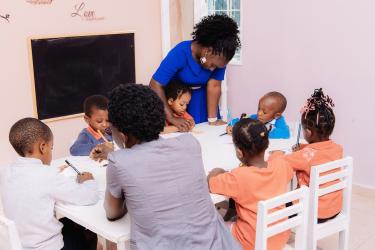
Have you ever watched a three-year-old try to button their own coat? It’s equal parts adorable and agonizing. Those tiny fingers working so hard, tongue poking out in concentration. What looks like a simple task to us is actually a full-body workout for their developing brain and muscles.
That’s the thing about preschool motor skills-they’re built through exactly these kinds of everyday moments. Not fancy programs or expensive equipment. Just regular old play.
The Difference Between Fine and Gross Motor Skills
Before we go further, let’s clear up some terminology. Gross motor skills involve the big muscle groups-running, jumping, climbing, throwing. Fine motor development is all about those smaller movements-picking up Cheerios, holding crayons, working zippers.
Both types matter - a lot.
Gross motor skills help kids navigate playground equipment without face-planting. Fine motor skills let them eventually write their name and tie their shoes. And here’s what surprised me when I first learned about child development: these skills are deeply connected to everything else. Cognitive development, emotional regulation, even social skills.
Kids who struggle with toddler coordination often avoid physical activities, which can affect their confidence and friendships. So those hours spent at the park? They’re doing more than burning energy.
What Happens During Physical Development (Ages 2-5)
The preschool years are bonkers when it comes to physical growth. Between ages two and five, children go from wobbly toddlers to kids who can skip, hop on one foot, and catch a ball.
Here’s a rough timeline:
Age 2-3: Walking becomes running - climbing stairs with help. Stacking blocks (maybe four or five high). Scribbling with crayons held in a fist.
Age 3-4: Pedaling a tricycle - throwing a ball overhand. Using scissors with some success - starting to draw recognizable shapes.
Age 4-5: Hopping and balancing on one foot. Catching a bounced ball. Drawing people with actual body parts. Writing some letters.
Every kid moves through these stages at their own pace. Some skip steps entirely. Others spend months mastering one skill before moving on. Both approaches are totally normal.
Outdoor Play Activities That Actually Work
You don’t need a Pinterest-perfect backyard obstacle course. Really. The best outdoor play activities are simple ones that kids can repeat over and over.
**Climbing. ** Trees, playground structures, rocks, hay bales-doesn’t matter what. Climbing builds core strength, upper body power, and spatial awareness. It also teaches risk assessment in a way nothing else can.
**Digging. ** Give a preschooler a shovel and some dirt, and you’ve got an hour of entertainment plus serious arm and shoulder work. Bonus: they’re practicing the same grip they’ll need for writing.
**Running games. ** Tag, chase, races to the mailbox and back. These build cardiovascular fitness and coordination. They also teach kids how their bodies move through space.
**Ball play - ** Rolling, throwing, kicking, catching. Each version targets different muscle groups and hand-eye coordination. Start with bigger, softer balls and work down to smaller ones.
**Water play - ** Pouring, scooping, squeezing sponges. Perfect for fine motor development. Set up a bucket with cups and funnels and watch them concentrate for ages.
The key with all of these? Let kids lead. They’ll naturally gravitate toward activities that challenge them at just the right level.
Fine Motor Development Through Everyday Activities
Here’s where it gets interesting. The best fine motor practice doesn’t look like practice at all.
**Cooking together. ** Stirring batter, kneading dough, sprinkling cheese. Each action requires controlled hand movements. Plus, you’re teaching them a life skill and making memories.
**Playdough. ** Squishing, rolling, pinching, cutting with plastic tools. Few activities work more hand muscles simultaneously. And it’s cheap to make at home.
**Threading and lacing. ** Pasta necklaces, lacing cards, even just pushing shoelaces through cardboard holes. These activities build the pincer grip essential for pencil control.
**Dressing themselves - ** Yes, it takes forever. Yes, the buttons end up in wrong holes. But every attempt strengthens those little fingers. Maybe save self-dressing practice for non-rushed mornings.
**Building with blocks or LEGOs. ** The precision required to stack and connect pieces is serious fine motor work. Plus, there’s the added benefit of spatial reasoning practice.
I used to think you needed specific “educational” toys for this stuff. Nope. Clothespins, tongs, tweezers, rubber bands, spray bottles-household items work just as well.
When to Actually Worry
Most variation in motor development is just that-variation. But sometimes there are signs that a child might benefit from extra support.
Watch for:
- Significant delays compared to same-age peers (not just slight differences)
- Avoiding activities that require physical skills
- Frustration that seems excessive
- Difficulty with tasks other kids their age handle easily
- Movements that seem unusually stiff or floppy
If something feels off, trust your gut and talk to your pediatrician. Early intervention services exist for a reason, and they can make a real difference.
But don’t compare your kid to their older sibling or your neighbor’s child. Every kid has their own timeline. Some walk at nine months - others wait until eighteen months. Both end up running just fine.
Creating Space for Active Play
Modern life isn’t always set up for the kind of physical play kids need. We live in smaller homes, spend more time indoors, and worry more about safety than previous generations did.
Some practical adjustments:
**Move furniture. ** Create a space where running and jumping won’t end in disaster. Even a cleared living room works.
**Get outside daily - ** Rain or shine. Fifteen minutes counts. Kids can splash in puddles or make snowballs-weather is just another variable to play with.
**Limit screens. ** Not because screens are evil, but because time on devices is time not spent moving. Finding balance matters more than strict rules.
**Join in sometimes. ** Kids are more likely to be active when adults participate. You don’t have to be athletic. Just present.
**Accept mess. ** Play that builds motor skills is often messy. Sand tracks into the house - paint gets on clothes. Mud happens. The cleanup is worth the developmental benefits.
The Connection Between Movement and Learning
Researchers have known for decades that physical activity supports cognitive development. The brain and body aren’t separate systems-they’re deeply intertwined.
When preschoolers move, they’re not just building muscles. They’re creating neural pathways. The same concentration required to balance on a curb helps with focusing on a book later. The hand strength from climbing makes pencil grip easier.
There’s also an emotional component. Physical activity reduces stress hormones and increases feel-good chemicals. Kids who move enough are often calmer, more focused, and better able to regulate their emotions.
So those outdoor play activities are more than about fitness or motor skills. They’re laying groundwork for reading, math, emotional resilience, and pretty much everything else.
Simple Daily Practices
You don’t need to overhaul your life. Small, consistent opportunities add up.
Morning: Let them pour their own cereal (yes, some will spill). Have them brush their own teeth while you do touch-up.
Midday: Ten minutes at a playground. Or just throwing a ball in the backyard. Something that gets large muscles working.
Afternoon: Art supplies, playdough, building toys. Anything that keeps little hands busy.
Evening: Bath time with cups and squeeze toys. Getting pajamas on independently.
That’s it - nothing complicated. Nothing requiring special equipment or perfect execution.
The beauty of motor development is that it happens through ordinary life. Kids are wired to practice these skills-they actually want to climb, run, manipulate objects, test their abilities. Your job is mostly to get out of the way and provide opportunities.
And maybe to help with that coat button. Because honestly, those things are tricky.