Raising Confident Kids: Building Self-Belief Early
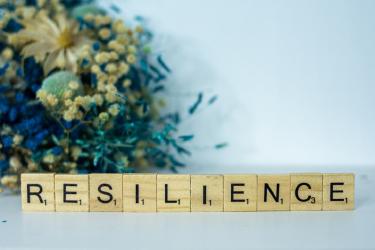
Your kid just built a tower out of blocks. It wobbles - falls. And here’s where everything changes-not in what happens next, but in what you say next.
“That’s okay, try again - " sounds supportive. But there’s a better response hiding in plain sight. One that actually builds the confidence we’re all hoping to nurture.
Why Confidence Isn’t What Most Parents Think
Here’s something that surprised me: confidence doesn’t come from success. It comes from surviving failure and realizing you’re still standing.
Think about your own life for a second. The moments that made you believe in yourself-were they the easy wins? Or were they the times you messed up, felt terrible, and somehow figured out how to move forward?
Kids work the same way. Except they’re building these neural pathways for the first time. Every stumble is literally shaping how their brain responds to challenges for decades to come.
Research from Stanford’s developmental psychology department found. Children who received process-focused praise (“You worked really hard on that”) showed 40% more persistence on difficult tasks than kids who heard outcome-focused praise (“You’re so smart”). Forty percent - that’s not a small difference.
The Struggle Sweet Spot
There’s a concept in child development called “productive struggle. " It’s that zone where a task is hard enough to be challenging but not so hard that your kid gives up completely.
Finding this sweet spot - tricky. Every child is different, and even the same kid will have different tolerances on different days.
But here’s a practical way to think about it: if your child completes something without any frustration, it was probably too easy. If they melt down completely, it was too hard. You want that middle ground-the furrowed brow, the deep breath, the second (or third) attempt.
Some ways to create productive struggle moments:
- Give puzzles with a few more pieces than they’ve mastered
- Let them button their own coat even when you’re running late
- Ask them to pour their own milk (yes, there will be spills)
- Have them help crack eggs for breakfast
The mess is part of the process. I know that’s annoying to hear when you’re wiping milk off the floor at 7:45 AM. But it’s true.
What to Say When Things Go Wrong
Remember that falling block tower? Here’s the response that actually builds confidence:
“Wow, it fell! What do you think made it fall?
That’s it - no reassurance. No jumping in to fix it. Just curiosity.
This does three things:
- It normalizes failure as information, not tragedy
- It hands the problem-solving back to your kid
Compare that to “It’s okay, let me help you! " which accidentally sends the message that failure needs to be fixed by someone more capable.
Other phrases that work:
- “That didn’t go the way you planned. What will you try next? "
- “I noticed you kept trying even when it was hard. "
- “You look frustrated - what’s the tricky part? "
- “Tell me about what you’re making.
Notice what’s missing? The word “good” and phrases like “great job. " Generic praise actually undercuts confidence because kids can tell when you’re not really paying attention.
The Problem with Too Much Protection
I get it. Watching your kid struggle feels terrible. Every parent instinct screams to swoop in and make it better.
But here’s what overprotection actually teaches: “You can’t handle hard things. You need me to make life easier.
Kids internalize this. By age 8 or 9, overly protected children often show higher anxiety levels and lower self-efficacy than peers who were allowed to experience age-appropriate difficulties.
This doesn’t mean you should throw your three-year-old into the deep end and see what happens. There’s a difference between age-appropriate challenge and neglect. You’re still the safety net-you’re just letting them climb a little higher before you catch them.
Some signs you might be over-helping:
- Your child waits for your approval before starting tasks
- They give up immediately when something is hard
- They say “I can’t” before even trying
- They look to you to solve peer conflicts
Recognize any of these - don’t beat yourself up. Awareness is step one.
Building Resilience Through Small Disappointments
Your kid doesn’t get invited to a birthday party. They lose the game. Someone else wins the prize they wanted.
These moments feel huge to small humans. And your response shapes whether they develop resilience or fragility.
The instinct is to minimize: “Oh, that party probably wouldn’t have been fun anyway. " Or to fix: “Let’s plan something even better for that day!
Better approach: acknowledge the feeling, then express confidence in their ability to cope.
“You really wanted to go - it makes sense you’re disappointed. You’ll feel better after a while.
That last part is key. “You’ll feel better” communicates that negative emotions are temporary and manageable. Your kid starts building an internal narrative: “I’ve felt bad before and it passed. I can handle this.
This is literally how emotional resilience develops.
The Comparison Trap
Every parent falls into this sometimes. Your neighbor’s kid is reading already. Your friend’s toddler never has tantrums. That kid at the playground seems so much more coordinated.
Here’s what comparisons do to your child’s developing confidence: they make achievement about measuring up to external standards rather than personal growth.
Kids who grow up constantly compared to others often become either perfectionists (terrified of failure) or quitters (why bother if I’ll never be the best? ).
Neither is what you want.
Instead, compare your kid to their past self: “Remember when you couldn’t zip your jacket? Look at you now. " This builds what psychologists call a “growth mindset”-the belief that abilities can be developed through effort.
One mom I know takes a photo of her kids’ artwork every month. She pulls up photos from six months ago and shows them the difference. The pride on their faces is something else.
Practical Confidence Builders
Okay, let’s get specific. What can you actually do this week?
**Give real responsibilities. ** Not fake ones-actual tasks the household needs done. Setting the table - feeding the pet. Watering plants - matching socks. When kids contribute meaningfully, they feel capable.
**Let them overhear you bragging. ** This one’s sneaky but effective. Call grandma and say (within earshot), “You should have seen how hard she worked on that puzzle today. " Overheard praise feels more genuine than direct compliments.
**Ask for their help. ** “I can’t reach that thing under the couch-your arms are smaller. Can you help me? " Position their unique abilities as valuable.
**Tell stories about your own failures. ** Kids think adults have it all figured out. Share times you messed up and recovered. “I bombed my first driving test. I was so embarrassed. Took it again the next month and passed.
**Let them see you struggle. ** Working on a tough problem? Don’t hide it - “This is really tricky. I’m going to take a break and try again later. " You’re modeling how capable people handle difficulty.
When Professional Help Makes Sense
Some kids need more support than parents can provide alone. If your child shows persistent signs of low self-esteem-refusing to try anything new, constant negative self-talk, physical symptoms around challenges-talking to a pediatrician or child psychologist isn’t overreacting.
Anxiety in young children often looks like defiance or tantrums. Depression can appear as irritability rather than sadness. These are treatable conditions, and early intervention matters.
There’s no shame in getting help. Actually, getting your kid support is itself a confidence-building act-it shows you believe they’re worth investing in.
The Long Game
Building confident kids doesn’t happen in a single conversation or a weekend workshop. It’s thousands of small moments over years.
You’ll mess up. You’ll swoop in when you should have stepped back. You’ll praise outcomes when you meant to praise effort. That’s fine. Your kid doesn’t need a perfect parent.
What they need is someone who believes in their ability to handle hard things. Someone who treats failure as information rather than disaster. Someone who’s more interested in who they’re becoming than how they compare to other kids.
That block tower will fall a hundred more times before your kid figures out how to make it stand. And somewhere in all those collapses, they’ll build something more important than any tower: the unshakeable sense that they can figure things out.
That’s confidence - and you’re already building it.