The Weekly Family Dinner Rule That Boosts Child Success
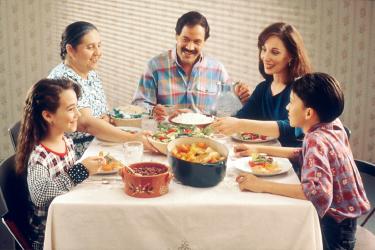
Growing up, my family had this unspoken rule. Every Sunday, no matter what, we sat down together for dinner. No TV. No phones (okay, we didn’t have smartphones back then, but you get it). Just food and conversation.
I didn’t think much of it at the time. Now? I realize my parents were onto something backed by decades of research.
What the Research Actually Shows
Here’s a number that might surprise you: kids who eat dinner with their families at least five times a week are 40% more likely to get As and Bs in school. That’s not a typo - forty percent.
But wait, there’s more. Those same kids show lower rates of anxiety and depression, better vocabulary development, and stronger relationships with their parents. The data comes from Columbia University’s National Center on Addiction and Substance Abuse, and it’s been replicated across multiple studies.
Why does sitting around a table with food make such a difference? It’s not magic. It’s actually pretty simple when you break it down.
The Hidden Curriculum of the Dinner Table
Think about what happens during a typical family meal. Kids hear adults use complex vocabulary in context. They practice turn-taking in conversation. They learn to express opinions, handle disagreements, and read social cues.
That’s a lot of skill-building packed into 30 minutes.
Dr. Anne Fishel, a family therapist at Harvard Medical School. Co-founder of The Family Dinner Project, puts it this way: dinner conversation exposes children to about 1,000 rare words per year that they wouldn’t encounter elsewhere. These aren’t fancy SAT words. They’re the kind of vocabulary that shows up in books and academic settings.
And here’s something parents often miss. Kids learn how to tell stories at the dinner table. When you ask “How was your day? " and actually wait for an answer, you’re teaching narrative structure. Beginning, middle, end - cause and effect. Character development.
These are the same skills that predict reading comprehension later on.
Making It Work When Life Gets Crazy
Look, I get it. The idealized family dinner feels about as realistic as a rom-com ending for most of us. Soccer practice runs until 7 - one parent works late shifts. The toddler throws spaghetti at the wall while the teenager sulks in silence.
Real life is messy.
But here’s what the research also tells us: it doesn’t have to be dinner. Breakfast counts - weekend lunches work. Even a regular snack time after school can deliver similar benefits.
The key isn’t the meal itself. It’s the consistent, device-free conversation.
Some strategies that actually help:
**Lower your standards. ** Frozen pizza eaten together beats a gourmet meal eaten alone. Seriously. The food doesn’t matter nearly as much as the presence.
**Start small. ** If you’re currently at zero family meals per week, aim for one. Build from there. Trying to go from nothing to seven dinners a week sets everyone up for failure.
**Make it phone-free - ** This one’s non-negotiable. Put devices in another room - parents too. Kids notice when you’re scrolling under the table.
**Have a backup plan. ** Keep simple meal components on hand for busy nights. Rotisserie chicken, bagged salad, and bread from the grocery store becomes “dinner” in five minutes.
What to Actually Talk About
The dreaded “How was school - " “Fine. " exchange doesn’t count as meaningful conversation. You already knew that.
Better approaches:
Ask about specifics - “What made you laugh today? " works better than “How was your day? " because it requires an actual story.
Share your own experiences. Kids learn conversation by watching you have one. Tell them about something weird that happened at work or an interesting article you read.
Play games. We used to go around the table with “highs and lows”-everyone shares their best and worst moment from the day. Simple, but it gets people talking.
Discuss the news (age-appropriately). Current events give kids practice forming opinions and defending them with evidence. These skills transfer directly to academic success.
Read something together beforehand. A poem, a short article, a question from a conversation-starter deck. Having a topic ready prevents the awkward silence that makes everyone reach for their phones.
The Long Game
Here’s what struck me most when I dug into this research. The benefits of family dinners don’t peak in childhood. They compound.
Teens who eat regularly with their families are less likely to use drugs, alcohol, and tobacco. They’re more likely to report feeling close to their parents. And they carry better eating habits into adulthood.
One study followed children for ten years and found that the frequency of family meals at age 6 predicted academic performance, psychological adjustment, and lower rates of delinquency at age 16.
Ten years - from one simple habit.
When Dinners Go Wrong
I’d be lying if I said every family dinner is a bonding wonderland. Some meals dissolve into fights - others feel like pulling teeth. The baby screams, the pot boils over, someone makes a passive-aggressive comment about the mashed potatoes.
This is normal.
The research doesn’t show that family dinners need to be pleasant to be effective. They just need to happen. Kids benefit from the routine, the attention, and the practice of sitting with discomfort.
That said, if dinners consistently turn into battlegrounds, it might be worth examining why. Is someone always on their phone? Are conversations dominated by criticism? Is everyone too tired to engage?
Small adjustments can shift the tone. Banning difficult topics during meals helps some families. Others need to actively work on asking questions instead of giving lectures.
Getting Started This Week
You don’t need a total lifestyle overhaul. You need one meal.
Pick a day that’s relatively calm. Keep the food simple - put phones in a drawer. Sit down together for 20 to 30 minutes.
That’s it - that’s the whole assignment.
If conversation stalls, have a question ready. “If you could have any superpower, what would it be? " works for ages 4 to 74.
After that first meal, notice what worked and what didn’t. Adjust - try again next week.
The families who maintain this habit for years didn’t start with perfect dinners. They started with one meal and kept showing up.
The Bigger Picture
We live in an era of parenting anxiety. There’s pressure to enroll kids in the right activities, hire the right tutors, curate the right experiences. The optimization never ends.
Family dinners offer something different - they’re ordinary. They’re accessible to families across income levels. They don’t require special equipment or training.
And they work.
Not because they’re magic, but because they create space for the things that actually matter: conversation, connection, and the slow accumulation of shared experiences over time.
My parents didn’t know the research when they instituted our Sunday dinners. They just understood, intuitively, that being together mattered.
Turns out they were right.